What to Shred
Protect Your Confidential Information
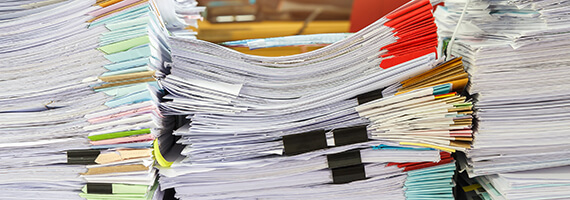
Welcome to the ‘What to Shred’ section of TITAN Mobile Shredding. In an time where information is power, protecting your confidential data is more important than ever before. Whether you are an individual, a small business owner, or a large corporation, understanding what to shred is the first step towards safeguarding your personal and professional information from potential misuse.
From personal identification to financial details medical records to business documents, there’s a broad range of materials that require secure and responsible disposal. The list we provide here is designed to guide you in identifying these crucial documents. Our aim is to help you prevent identity theft, maintain privacy, and comply with laws regarding information disposal.
So, let’s delve into the specifics of what documents you should be shredding to ensure your sensitive information remains secure:
What Documents Should You Shred?
A quick checklist for personal and business records.
General Documents
-
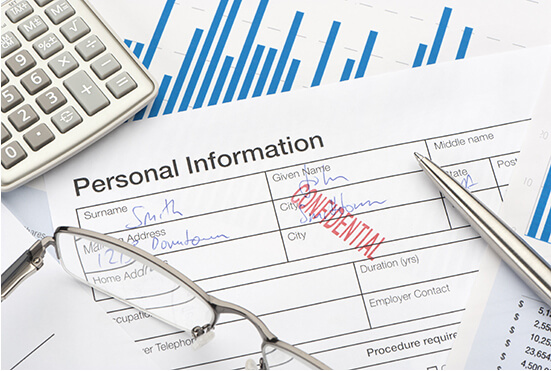
Personal information Documents containing names, addresses, Social Security numbers, credit card numbers, or driver’s license numbers.
-
Employment records Payroll records, personnel files, employee applications, and W-2 and W-4 forms.
-
Health and financial records Credit reports, medical and insurance records, and retirement and pension fund information.
Business Documents
-
Finance and tax Financial statements, accounts payable and receivable reports, bank statements, checks, tax records, invoices, and receipts.
-
Clients, sales, and contracts Customer, client, and patient lists, sales and commission reports, sales and purchase orders, pricing proposals, quotes, contracts, correspondence, and fax confirmations.
-
Operations and strategy Proprietary information, business and strategic plans, product and service information, inventory records, shipping and receiving documents, and training manuals.
Purge Shredding
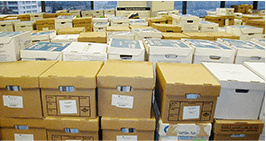
We securely destroy your confidential information. This can be done once or annually.
Scheduled Shredding
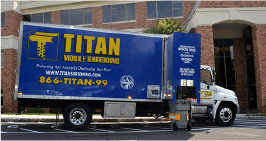
We will shred your confidential information on-site, on a schedule specifically tailored to your needs.
Residential Shredding
We will assist you with securely destroying your unwanted confidential records.
Hard Drive Destruction
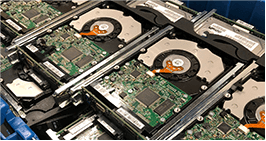
Our specialized equipment securely shreds your hard drives, either on-site or at our secure facility.
We are NAID AAA Certified Since 2007
This certification is recognized by regulatory organizations as the premier standard for integrity, security and compliance.
Contact TITAN For Your Quote Today
Document Shredding FAQs
Common questions about sorting personal and business records for shredding.
What documents should I shred?
Set aside documents that contain sensitive information, such as Social Security numbers, account numbers, medical details, employee information, or confidential business data. Common examples include bank statements, old checks, payroll records, and client files. Shred them once they’re ready for disposal.
Which business records should I check first?
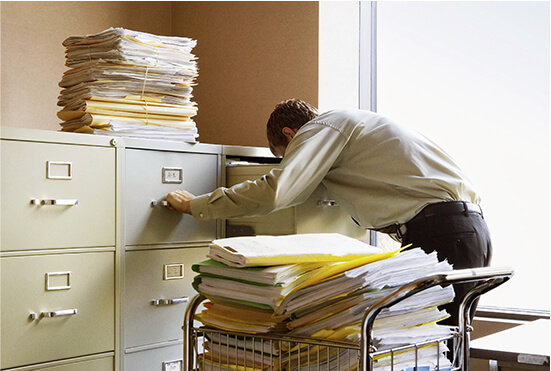
Start with personnel files, financial records, customer or patient lists, contracts, and internal reports. When clearing out a filing cabinet, sort records by type and date so you can check which ones are ready for disposal.
Should I shred junk mail or old envelopes?
Check the contents first. Preapproved credit offers, checks, and letters with account or policy numbers belong in the shredding pile. Generic flyers and blank envelopes can usually go in regular paper recycling.
Do I need to shred duplicate copies?
Yes, if the copies contain confidential information and are ready for disposal. Check desk drawers, meeting packets, and shared filing cabinets for extra printouts when you clear out a file.
What if I’m unsure whether a document is ready to shred?
Keep it in a separate review pile. For workplace records, check your organization’s retention schedule or ask the person responsible for the records before adding them to the shredding pile.